
Water heaters
Electric and gas water heater repairs, safety checks and new installations — so hot water is reliable and safe.
Overview
A water heater works hard every day, and most faults give warning signs before they fail completely: water that takes longer to heat, a tripping circuit breaker, rusty water or a slow drip from the safety valve. Dealing with these early is cheaper and much safer than waiting for a breakdown.
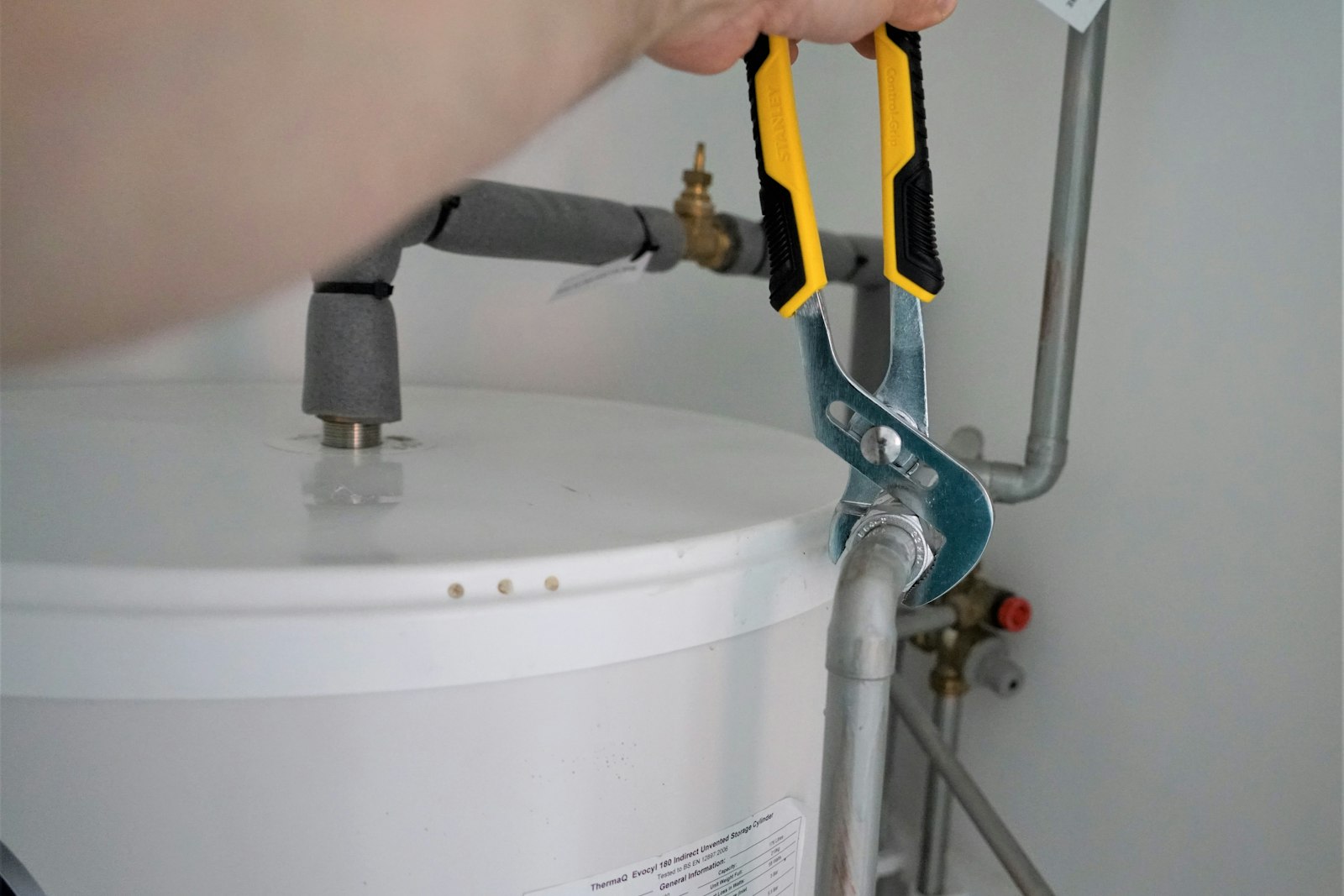
Our plumbers diagnose and repair electric and gas water heaters, replacing heating elements, thermostats, safety and pressure-relief valves, and leaking connections. We also check the condition of the tank and advise honestly when repair no longer makes sense.
For new installations we help you choose a suitable capacity, mount the unit securely, connect it with proper isolation and safety valves, and test it fully before handover.
Price agreed before work
You approve a written quote first — no surprises on the bill.
What's included
The exact work depends on what we find, but these are the tasks our plumbers routinely carry out as part of this service.
Element, thermostat and connection repairs for wall-mounted storage heaters.
Water-side repairs, valve checks and connection work on gas units.
Correct sizing, secure mounting and safe connection of new heaters.
Warning signs
Our process
Every visit follows the same clear sequence, so you always know what is happening and why.
01
Power or gas is isolated and the unit checked for leaks, wiring condition and valve operation.
02
Elements, thermostats and valves are tested to identify exactly which part has failed.
03
Faulty parts are replaced, or we advise on a new unit if the tank itself is failing.
04
Heating, temperature, pressure valve and connections are tested before the heater is back in use.
Questions
If the tank is sound and only an element, thermostat or valve has failed, repair is usually good value. If the tank itself is leaking or badly corroded, replacement is the safer choice — we will tell you honestly which applies.
A small drip can mean the pressure inside the tank is too high or the valve is worn. It should never be blocked or capped. We test the valve and the system pressure to find the cause.
A yearly check is a good habit, especially in areas with hard water. Flushing sediment and testing valves helps the heater run efficiently and last longer.
Yes. We will check the unit and its fittings, then mount and connect it properly with isolation and safety valves.
Talk to a plumber
Tell us what is happening and get a clear, written price before any work starts.